

I’m guessing you’re here because you saw someone else’s real estate branding and you thought to yourself: “Dang. I need to work on my branding.”
In a sense, you might be right.
There are many real estate agents and investors who are beating their competitors because they have a strong brand presence (not necessarily even because they’re the best at what they do).
In this guide, I’ll show you how the best investors and agents create stand-out brands that attract clients like moth to a flame… and I’ll show you how you can do it, too.
Let’s dive in!
Step 1. Your Story & Headshots
This is step 1 for a reason.
Your story and how you visually present yourself are the foundation of your brand. In real estate, trust and personal connection are everything, and the first step to building that connection is through your story and headshots.
Crafting Your Story
Your story is more than just a bio on your website—it’s the narrative that defines who you are, what you stand for, and why you do what you do. Here’s how to craft a compelling story:
- Identify Your “Why”: Start by reflecting on why you entered the real estate industry. What drives you? Is it a passion for helping people find their dream homes? A love for investment opportunities? Understanding your motivation will help you craft a story that resonates with your audience.
- Highlight Your Unique Selling Points: What sets you apart from other agents or investors? Maybe it’s your deep local knowledge, your commitment to client service, or your innovative approach to deals. Make sure your story highlights these unique qualities.
- Be Authentic: Authenticity is key. Clients can sense when a story is genuine and when it’s just marketing fluff. Share personal anecdotes or experiences that have shaped your career in real estate.
- Keep It Client-Centered: While your story is about you, always frame it in a way that speaks to how you can serve your clients. For example, if you’ve overcome challenges in your career, relate that back to how it has made you a better agent or investor.
This example from Katie Day is the A+ standard you’re going for…

Getting the Perfect Headshots
Your headshot is often the first visual impression potential clients will have of you, so it needs to be professional and aligned with your brand. Here’s how to get it right:
- Hire a Professional Photographer: While smartphone cameras are good, nothing beats the quality of a professional photographer who understands lighting, angles, and how to capture your best self.
- Dress the Part: Your attire should reflect the type of clients you want to attract. If you’re targeting high-end properties, opt for a polished, business-professional look. For a more casual market, a smart, approachable outfit might be more appropriate.
- Choose the Right Setting: The background of your headshot should complement your brand. A sleek office setting might work well for a luxury market, while a shot taken in a vibrant, urban area could appeal to younger, city-based clients.
- Show Confidence and Approachability: Your expression matters. Aim for a confident yet approachable look. A smile can go a long way in making you seem friendly and trustworthy.
- Consistency Across Platforms: Ensure that your headshot is consistent across all platforms—your website, social media, business cards, and marketing materials. This helps reinforce your brand identity.
By nailing your story and headshots, you lay a strong foundation for your brand that not only introduces you to potential clients but also helps them connect with you on a personal level.
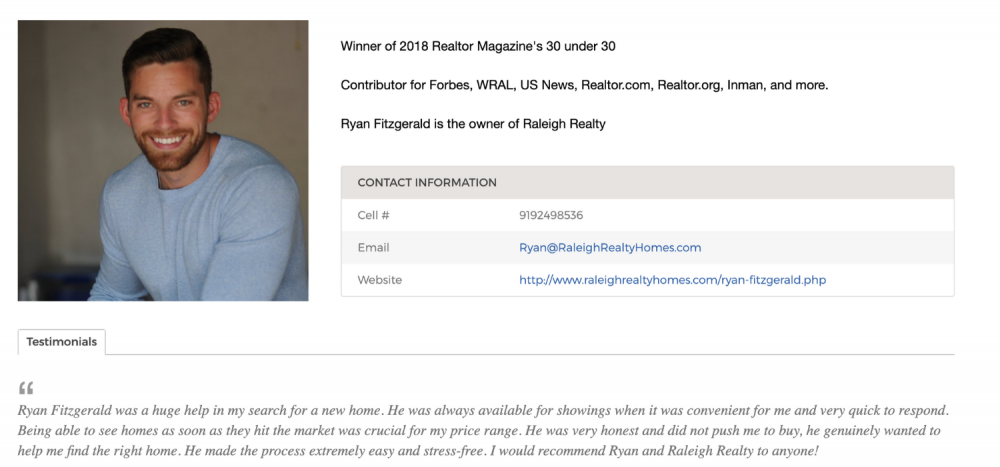
Katie Day’s headshot is perfect above. But here’s another great example…
Step 2. Branding Assets
Once you’ve crafted your story and headshots, it’s time to move on to the visual elements that will make your brand instantly recognizable.
These are your branding assets, which include your color palette, fonts, logo, and how you apply these elements across your marketing materials like your website, business cards, and mail. Consistency in these assets is key to ensuring that your brand dominates your niche and leaves a lasting impression.
Choosing Your Color Palette
Your color palette is more than just a visual choice — it conveys the tone and personality of your brand. Here’s how to select the right colors:
- Understand Color Psychology: Different colors evoke different emotions and associations. For instance, blue often represents trust and professionalism, green is associated with growth and stability, while red can convey energy and urgency. Choose colors that align with the message and feelings you want your brand to convey. Here’s an AI color palette generator.
- Stick to a Limited Palette: Choose 2-4 main colors that will be the cornerstone of your brand’s visual identity. This includes a primary color, secondary colors, and possibly an accent color. Keeping a limited palette ensures your brand looks cohesive across all platforms.
- Consider Your Target Audience: The colors you choose should resonate with your ideal clients. For example, if you’re targeting luxury real estate buyers, a palette of sophisticated, muted tones might work best. For a younger, trendier audience, bold and vibrant colors might be more effective.
Here’s a great example of clean branding from Ryan Dossey.

Selecting Fonts
Just like your color palette, the fonts you use play a critical role in your brand’s identity:
- Choose Readable Fonts: Your main font should be easy to read across all devices and materials. Avoid overly ornate or complicated fonts that might be difficult to read, especially on smaller screens.
- Pair Fonts Wisely: Typically, you’ll want a primary font for headings and a secondary font for body text. These fonts should complement each other—one can be more expressive, while the other is simple and clean.
- Stay Consistent: Use the same fonts across all your branding materials. This consistency helps reinforce your brand identity and makes your materials instantly recognizable.
Here are 5 fonts you really can’t go wrong with…
- Montserrat
- Lora
- Raleway
- Open Sans
- Playfair Display
Designing Your Logo
Your logo is the face of your brand, so it needs to be memorable and reflective of your business:
- Simplicity is Key: A simple logo is often more versatile and easier to recognize. It should be clear at any size, whether on a billboard or a business card.
- Reflect Your Brand Identity: Your logo should encapsulate the essence of your brand—whether that’s professionalism, approachability, or luxury. Incorporate elements that reflect your story, values, and the services you offer.
- Versatility: Ensure your logo looks good in color, black and white, and can be used across different mediums—digital, print, signage, etc.
Signature logos are a no brainer, in my opinion, in the real estate space. If you’re an investor, you might opt for something a little more home-owner focused. For example…

Here’s an AI logo generator that is shockingly good.
Applying Your Branding Across Assets
Once your visual elements are in place, it’s time to apply them consistently across all your branding assets.
- Website: Your website is often the first place potential clients will interact with your brand. Use your color palette, fonts, and logo consistently throughout the site. Ensure the design is clean, professional, and user-friendly, with a clear call-to-action that aligns with your brand message.

- Business Cards: Even in the digital age, business cards remain a powerful tool. They should reflect your brand’s visual identity with your logo, colors, and fonts. Make sure they are of high quality, as this reflects your professionalism.

(Source)
- Mail and Direct Marketing: Use handwritten!

We highly recommend these hand-written mailers from Ballpoint Marketing… branding be damned when you can have this personal of a touch.
- Social Media: Ensure your social media profiles are branded with your logo and color palette. Your posts should also reflect your brand’s visual style and voice, creating a cohesive look and feel across all platforms.

- Signage and Marketing Materials: Any physical signs, brochures, or promotional materials should align with your established branding. This ensures that no matter where a potential client interacts with your brand, they’re getting a consistent experience.
By carefully selecting and consistently applying your branding assets across all your materials, you create a unified and professional image that stands out in the market. This level of consistency helps build brand recognition, making it easier for clients to remember and trust you, ultimately helping you dominate your niche.
Step 3. Creating Your Brand Presence
Now that you have your branding assets in place, it’s time to get your brand seen by your target market.
This step is all about creating a strong brand presence online, focusing on social media and SEO to ensure you’re reaching the right audience.
If you’re a real estate agent, Instagram is a powerful tool for real estate branding, offering a visually-driven platform to showcase your properties, share success stories, and engage with your audience.
- Optimize Your Profile: Ensure your Instagram bio clearly states who you are, what you do, and includes your contact information and a link to your website. Use your logo as your profile picture for brand consistency.
- Create Consistent Content: Post regularly with content that reflects your brand’s visual identity. Use your color palette, fonts, and tone consistently in your posts, whether you’re sharing property listings, client testimonials, or behind-the-scenes glimpses of your work.
- Engage with Your Audience: Respond to comments, participate in relevant conversations, and use Instagram Stories and Reels to connect with your audience in real-time. The more you engage, the more likely your brand is to be remembered and trusted.
- Utilize Hashtags Strategically: Use relevant hashtags to increase the visibility of your posts. Research popular real estate-related hashtags and include a mix of broad and niche tags to reach both a wider and targeted audience.
- Leverage Instagram Ads: Consider running targeted ads to reach potential clients in specific locations or demographics. This can help boost your visibility and attract the right audience to your brand.

SEO: Google My Business
Search engine optimization (SEO) is crucial for getting your brand seen on Google, and one of the best tools for local SEO is Google My Business (GMB).
- Claim and Optimize Your GMB Listing: Ensure you have claimed your GMB listing and filled out all relevant information, including your business name, address, phone number, website, and business hours. Add high-quality images that reflect your brand.
- Use Keywords Strategically: Incorporate relevant keywords related to your real estate niche into your GMB profile description. This helps your listing appear in searches for those terms.
- Encourage Client Reviews: Positive reviews on your GMB listing can boost your local SEO and build trust with potential clients. Encourage satisfied clients to leave reviews, and respond professionally to all feedback.
- Post Regular Updates: Use the GMB posts feature to share updates, announcements, or special offers. This keeps your listing active and relevant in the eyes of both Google and potential clients.
- Monitor and Analyze Performance: Regularly check your GMB insights to see how people are finding your listing and what actions they’re taking. Use this data to adjust your SEO strategy as needed.

Final Thoughts on Real Estate Branding
You now have everything you need to build a strong, recognizable brand in the real estate industry. From crafting your unique story and establishing consistent branding assets, to creating a dynamic online presence through social media and SEO, you’re well-equipped to stand out in your market.
Remember, effective branding is about consistency and authenticity. It’s not just about being seen, but being remembered for the right reasons. As you implement these strategies, you’ll find that a well-crafted brand attracts the right clients, builds trust, and ultimately drives your success.
So take these steps, get your brand out there, and start making an impact in your niche. Your brand is your most powerful tool—use it to dominate your market and watch your real estate business grow.